Outdoor CrossFit Workouts A Comprehensive Guide
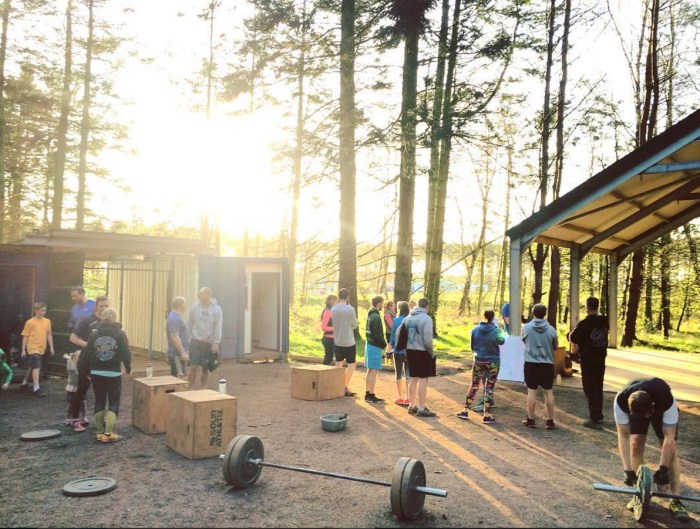
Outdoor CrossFit Workouts offer a dynamic alternative to traditional gym settings, blending the intensity of CrossFit with the invigorating backdrop of nature. This guide explores the unique aspects of training outdoors, from designing effective workout programs and ensuring safety to integrating this challenging fitness regimen into a broader wellness plan. We’ll delve into the advantages and disadvantages, examining how to adapt exercises for various terrains and weather conditions, ultimately helping you harness the power of the outdoors to achieve your fitness goals.
Whether you’re a seasoned CrossFitter seeking a change of scenery or a beginner looking to embark on a new fitness journey, this comprehensive resource will provide the knowledge and practical tools to safely and effectively incorporate outdoor CrossFit workouts into your life. We’ll cover everything from creating personalized workout plans tailored to different fitness levels to selecting the right gear and understanding the importance of safety precautions.
Defining Outdoor CrossFit Workouts
Outdoor CrossFit workouts share the core tenets of CrossFit – high-intensity functional movement – but shift the training environment from the controlled climate of a gym to the unpredictable elements of the outdoors. This change introduces unique challenges and opportunities, fundamentally altering the training experience. The emphasis remains on building strength and conditioning through constantly varied functional movements performed at high intensity, but the natural environment adds a layer of complexity and adaptability.Outdoor CrossFit workouts differ from gym-based sessions primarily in their use of natural terrain and unpredictable weather conditions.
This necessitates a higher degree of adaptability and resourcefulness from the athlete, fostering a unique mental and physical resilience. The absence of specialized gym equipment often requires creativity in exercise selection and modification, utilizing readily available natural obstacles and resources. This improvisational aspect is a key differentiator.
Suitable Outdoor Locations for CrossFit Training
Many locations lend themselves well to outdoor CrossFit training. The key considerations are safety, accessibility, and the availability of space suitable for various exercises. A diverse range of environments can be utilized effectively.Examples include parks with open spaces and readily available natural obstacles such as trees, benches, and hills. Beaches offer the resistance of sand and the opportunity for running and bodyweight exercises.
Forests provide a more challenging terrain with uneven surfaces and the possibility of incorporating obstacles like logs and rocks. Mountainous regions allow for intense hikes and challenging incline work, while urban environments can utilize stairs, walls, and public spaces (with appropriate permissions). Each location presents unique opportunities and challenges, requiring careful planning and risk assessment.
Advantages and Disadvantages of Outdoor CrossFit Workouts
Conducting CrossFit workouts outdoors offers several distinct advantages. The most obvious is the incorporation of natural elements into the training regime. This provides a constantly varied workout environment, preventing monotony and challenging the body in new ways. Furthermore, training outdoors offers a refreshing change of pace, enhancing mental well-being and reducing the potential for boredom often associated with indoor workouts.
The natural environment provides opportunities for improved cardiovascular fitness through running, hiking, or cycling, seamlessly integrated into the workout. Finally, outdoor training can be more cost-effective, eliminating gym membership fees.However, there are also disadvantages to consider. Weather conditions can significantly impact training sessions, requiring flexibility and adaptability. Extreme heat, cold, rain, or wind can make workouts challenging or even unsafe.
The lack of readily available equipment necessitates creativity and may limit the variety of exercises possible. Safety concerns are also heightened outdoors; the presence of uneven terrain, potential hazards, and unpredictable elements necessitate greater caution and awareness. Finding suitable locations with adequate space and safety features might also prove challenging depending on geographical location.
Workout Design and Programming for Outdoor CrossFit: Outdoor CrossFit Workouts
Designing effective outdoor CrossFit workouts requires careful consideration of the environment and the athletes’ fitness levels. Program design should prioritize safety, progressive overload, and functional movements that translate well to real-world scenarios. A well-structured program incorporates a dynamic warm-up, a challenging workout, and a thorough cool-down to optimize performance and minimize injury risk.
Sample Outdoor CrossFit Workout Programs
Below are sample workout programs catering to beginner, intermediate, and advanced fitness levels. Remember to adjust the intensity and volume based on individual capabilities and the specific outdoor environment.
| Warm-up (10-15 minutes) | Workout (20-30 minutes) | Cool-down (5-10 minutes) | Notes |
|---|---|---|---|
| Light cardio, dynamic stretching (arm circles, leg swings, torso twists) | 3 rounds: 10 Air Squats, 10 Push-ups (on knees if needed), 10 Walking Lunges (each leg) | Static stretching (holding each stretch for 30 seconds): Quadriceps, Hamstrings, Calves, Chest, Shoulders, Triceps, Biceps | Beginner; Modify exercises as needed. |
| Jumping Jacks, High Knees, Butt Kicks, Dynamic stretches (arm circles, torso twists, leg swings) | 5 rounds: 15 Burpees, 20 Kettlebell Swings (or sandbag), 30 Mountain Climbers | Static stretching (holding each stretch for 30 seconds), foam rolling | Intermediate; Increase rounds or reps as fitness improves. |
| Rowing (500m), Kettlebell swings (20 reps), Dynamic stretches (various dynamic movements focusing on mobility and flexibility) | AMRAP (As Many Rounds As Possible) in 20 minutes: 20 Pull-ups, 30 Handstand Push-ups (against a wall if needed), 40 Kettlebell Thrusters | Static stretching, self-myofascial release (using foam roller or lacrosse ball) | Advanced; Focus on maintaining good form and intensity. |
Functional Exercises Adaptable to Outdoor Environments
Choosing exercises that require minimal equipment and can be performed outdoors is crucial. Modifications allow for scalability across fitness levels.
The following functional exercises are easily adaptable to various outdoor settings, offering modifications for different fitness levels:
- Squats: Bodyweight squats can be performed anywhere. Modifications include box squats (using a bench or rock) for beginners, jump squats for intermediate, and pistol squats for advanced athletes.
- Push-ups: Can be done on hands or knees, against a wall (easier), or with feet elevated (harder). Variations include incline and decline push-ups using natural inclines or declines found outdoors.
- Lunges: Walking lunges, stationary lunges, or jump lunges can be adapted to uneven terrain. Use a park bench for support if needed.
- Burpees: A full-body exercise that can be modified by removing the jump or push-up components for beginners. Advanced athletes can add a jump over an obstacle.
- Plank: Can be performed on flat surfaces or uneven ground. Modifications include forearm plank (easier) and side plank (targets obliques).
- Running: Adaptable to trails, beaches, or roads. Vary the intensity and terrain for a challenging workout.
Adapting CrossFit Exercises to Various Outdoor Terrains
The natural variability of outdoor settings offers both challenges and opportunities. Adapting exercises to different terrains enhances the workout’s difficulty and functional application.
Consider these tips for adapting exercises to different outdoor environments:
- Parks: Utilize benches for step-ups, box jumps, dips, and handstand practice. Use trees for pull-ups (if sturdy and safe).
- Beaches: The soft sand increases the difficulty of many exercises like squats, lunges, and burpees. Running on the beach provides a unique cardio challenge.
- Trails: Uneven terrain increases the challenge of bodyweight exercises and running. Incorporate hill sprints and plyometrics to increase intensity.
Safety and Considerations for Outdoor CrossFit
Outdoor CrossFit offers unique challenges and rewards compared to indoor training. The unpredictable nature of the environment necessitates a heightened awareness of safety and careful planning to mitigate potential risks. This section details crucial safety precautions and strategies for adapting workouts to various weather conditions, as well as guidelines for appropriate attire and equipment selection.
Weather Condition Adaptation
Adapting workouts to changing weather is paramount for safe and effective outdoor CrossFit. Extreme temperatures, precipitation, and even unexpected wind gusts can significantly impact performance and increase the risk of injury. Workouts should be modified based on the prevailing conditions to prioritize safety and maintain training effectiveness. For instance, during extreme heat, reducing intensity, shortening workout duration, and increasing rest periods are crucial.
Conversely, in cold weather, warming up thoroughly before exercise and wearing appropriate layers to maintain body temperature are vital. In rainy conditions, choosing suitable waterproof gear and adjusting the workout location to avoid slippery surfaces are important considerations.
Appropriate Attire and Equipment Selection
Choosing the right attire and equipment is crucial for safety and comfort during outdoor CrossFit workouts. Clothing should be breathable, moisture-wicking, and appropriate for the weather conditions. In hot weather, lightweight, loose-fitting clothing is recommended, while in cold weather, layers are essential to regulate body temperature effectively. Proper footwear is crucial; shoes should provide adequate support, traction, and protection against the terrain.
For example, sturdy trail running shoes are suitable for uneven ground, while flat, supportive shoes are ideal for paved surfaces. Consider additional equipment based on the workout and weather. This could include gloves for grip and warmth, hats for sun protection or warmth, and waterproof outerwear for rain.
Safety Precautions and Risk Mitigation Strategies
Safety should always be the top priority during outdoor CrossFit. Before starting any workout, it’s vital to assess the training environment for potential hazards, such as uneven terrain, slippery surfaces, or obstacles. Choosing a well-lit and relatively secluded area minimizes the risk of accidents and distractions. Proper warm-up and cool-down routines are essential to prepare the body for exercise and aid recovery.
Staying hydrated throughout the workout is crucial, especially in hot weather. Listen to your body and don’t push yourself beyond your limits. It’s advisable to have a training partner for safety, particularly when undertaking challenging workouts or in remote locations. Furthermore, familiarity with basic first aid and having a readily accessible first-aid kit are highly recommended.
Knowing the location of the nearest emergency services is also crucial.
Environmental Hazard Awareness
Outdoor CrossFit exposes individuals to various environmental hazards, demanding a proactive approach to risk mitigation. Awareness of potential hazards such as exposure to sunlight, insects, and animals is critical. Using sunscreen with a high SPF is essential to protect against sunburn. Insect repellent can minimize the risk of insect bites. Being aware of local wildlife and taking precautions to avoid encounters with potentially dangerous animals is also important.
For example, avoiding areas with known animal activity and making noise while exercising can help prevent unexpected encounters. Regularly checking the weather forecast and adapting the workout plan accordingly is a key aspect of mitigating weather-related risks.
Comparing Outdoor CrossFit to Other Fitness Activities
Outdoor CrossFit, while sharing some similarities with other outdoor fitness activities, offers a unique blend of intensity, versatility, and functional fitness that sets it apart. This comparison will explore the nuances of outdoor CrossFit relative to hiking, trail running, and calisthenics, considering intensity, calorie expenditure, and targeted muscle groups.Outdoor CrossFit workouts often incorporate elements of several other fitness activities, but its high-intensity interval training (HIIT) approach and emphasis on functional movements distinguish it.
This creates a workout that is both challenging and highly effective in building overall fitness.
Intensity and Calorie Burn Comparison
The intensity and subsequent calorie burn of outdoor CrossFit significantly exceed that of activities like leisurely hiking or casual trail running. A typical outdoor CrossFit workout might involve short bursts of intense activity interspersed with brief recovery periods, leading to a higher metabolic rate and greater calorie expenditure in a shorter time frame. For example, a one-hour outdoor CrossFit WOD (Workout Of the Day) could burn significantly more calories than a one-hour hike, even if the hike involves some elevation gain.
The intensity is further amplified by the inclusion of weightlifting exercises, such as kettlebell swings or sandbag carries, which increase resistance and metabolic demand. In contrast, calisthenics, while offering a good calorie burn, may not reach the same peak intensity as outdoor CrossFit, particularly if it lacks a structured HIIT element. The calorie expenditure in each activity will vary greatly depending on factors such as intensity, duration, individual fitness levels, terrain, and the specific exercises performed.
A vigorous hike uphill, for example, will burn more calories than a gentle stroll.
Muscle Groups and Fitness Components Targeted
Outdoor CrossFit workouts comprehensively target various muscle groups and fitness components. Unlike hiking, which primarily engages lower body muscles (quadriceps, hamstrings, glutes, calves), outdoor CrossFit incorporates upper body movements (push-ups, pull-ups, rows using natural features), core work (planks, medicine ball slams), and significant lower body work through exercises like squats, lunges, and sprints. Trail running, while providing cardiovascular benefits and engaging leg muscles, lacks the comprehensive muscle engagement and strength building aspects of outdoor CrossFit.
Calisthenics, similarly, can effectively target many muscle groups but may not offer the same level of intensity and versatility in functional movement patterns. Outdoor CrossFit, by integrating weight training, plyometrics, and bodyweight exercises, builds strength, endurance, power, flexibility, and cardiovascular fitness, fostering a well-rounded fitness profile.
Integrating Outdoor CrossFit into a Broader Fitness Plan
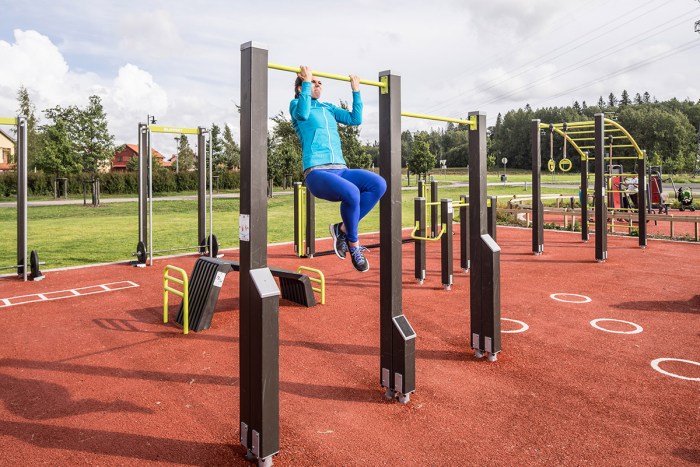
Outdoor CrossFit, with its dynamic and challenging nature, can be a powerful addition to a well-rounded fitness plan. However, it’s crucial to integrate it strategically alongside other activities to maximize benefits and minimize risk of injury. A balanced approach ensures holistic fitness improvement, addressing various aspects of physical and mental well-being.Integrating outdoor CrossFit effectively requires careful consideration of your overall fitness goals and current fitness level.
A holistic approach, incorporating diverse fitness modalities, will lead to superior results compared to focusing solely on one type of exercise. This ensures balanced development of strength, endurance, flexibility, and mental resilience.
Integrating Outdoor CrossFit with Other Fitness Modalities, Outdoor CrossFit Workouts
To effectively integrate outdoor CrossFit into a broader fitness plan, consider these points:
- General Fitness Guides: Use general fitness guidelines as a foundation, ensuring your outdoor CrossFit program aligns with your overall fitness level and goals. This might involve gradually increasing intensity and duration of workouts, following a structured progression.
- Home Workouts: Supplement outdoor CrossFit with home workouts focusing on areas that might be less emphasized in outdoor settings, such as targeted bodyweight exercises or mobility drills. This ensures comprehensive muscle engagement and flexibility.
- Yoga and Meditation: Incorporate yoga and meditation to improve flexibility, balance, and stress management. These practices counterbalance the intense nature of CrossFit, promoting recovery and preventing injury.
- Strength Training: While outdoor CrossFit involves strength training, dedicated strength training sessions can further enhance muscle development and overall power. This could involve weightlifting or resistance band exercises.
- Cardio Workouts: Balance the high-intensity nature of CrossFit with moderate-intensity cardio, such as running, cycling, or swimming. This enhances cardiovascular health and promotes recovery.
- Weight Loss Programs: Outdoor CrossFit can be a key component of weight loss programs, but it should be combined with a balanced diet and other activities to support sustainable weight management. Consider incorporating activities that are lower impact on rest days.
- Pilates and Stretching: Pilates and stretching enhance core strength, flexibility, and posture. These practices are crucial for injury prevention and overall body alignment, especially after intense CrossFit workouts.
- Outdoor Fitness Adventures: Combine outdoor CrossFit with other outdoor adventures like hiking or rock climbing to maintain motivation and explore different fitness aspects. This fosters a sense of enjoyment and keeps fitness engaging.
Sample Weekly Fitness Schedule
This sample schedule incorporates outdoor CrossFit and three other fitness activities. Remember to adjust this based on your individual fitness level and goals. Rest and recovery are crucial; prioritize sleep and nutrition.
| Day | Activity | Duration | Notes |
|---|---|---|---|
| Monday | Outdoor CrossFit | 60 minutes | Focus on strength and conditioning |
| Tuesday | Yoga & Meditation | 60 minutes | Improve flexibility and reduce stress |
| Wednesday | Strength Training | 45 minutes | Focus on compound movements |
| Thursday | Outdoor CrossFit | 60 minutes | Focus on metabolic conditioning |
| Friday | Cardio (Running) | 30 minutes | Moderate intensity |
| Saturday | Rest or Active Recovery (Hiking) | Variable | Light activity for recovery |
| Sunday | Rest or Pilates & Stretching | 45 minutes | Focus on mobility and flexibility |
Benefits of Combining Outdoor CrossFit with Other Fitness Modalities
Combining outdoor CrossFit with other fitness modalities offers numerous benefits. It fosters a holistic approach to fitness, leading to improved physical and mental well-being.
- Reduced Risk of Injury: Balancing high-intensity training with activities that improve flexibility and mobility reduces the risk of muscle imbalances and injuries.
- Enhanced Physical Fitness: Combining different training styles leads to a more well-rounded fitness profile, improving strength, endurance, flexibility, and cardiovascular health.
- Improved Mental Well-being: Incorporating activities like yoga and meditation helps manage stress and improve mental resilience, crucial for maintaining motivation and preventing burnout.
- Increased Adherence: A varied fitness routine is more likely to maintain long-term adherence, as it prevents boredom and keeps fitness enjoyable.
- Holistic Fitness Improvement: This integrated approach addresses all aspects of fitness, leading to a significant improvement in overall health and well-being.
Essential Gear and Equipment for Outdoor CrossFit
Outdoor CrossFit demands durable and functional gear to ensure safety and effectiveness in diverse environments. Choosing the right equipment is crucial for maximizing your workout and minimizing the risk of injury. The following Artikels essential items and considerations for selecting appropriate clothing and footwear.
Proper gear significantly impacts your ability to perform effectively and safely during outdoor CrossFit workouts. Consider the climate and terrain when selecting your equipment. Investing in high-quality, durable items will pay off in the long run.
Essential Gear List
The following list details essential gear for outdoor CrossFit, categorized for clarity. Remember that specific needs will vary depending on the environment and workout.
- Durable Athletic Shoes: Choose shoes with good traction for varied terrain, adequate support for intense movements, and breathability to prevent overheating. Consider trail running shoes for off-road workouts or cross-trainers for more stable surfaces.
- Moisture-Wicking Clothing: Fabrics that wick away sweat are vital to prevent discomfort and maintain body temperature. Look for materials like polyester or merino wool. Layering is key for adapting to changing weather conditions.
- Water Bottle or Hydration Pack: Staying hydrated is crucial during intense workouts. Carry enough water to sustain your efforts, especially during longer sessions or in hot weather. A hydration pack is particularly useful for longer, more strenuous sessions.
- Sunscreen and Sunglasses: Protect your skin and eyes from the sun’s harmful rays, even on cloudy days. Choose a broad-spectrum sunscreen with a high SPF and sunglasses that offer UV protection.
- First-Aid Kit: A small, lightweight first-aid kit is essential for addressing minor injuries. Include bandages, antiseptic wipes, pain relievers, and any personal medications.
- Workout Gloves (Optional): Gloves can improve grip during exercises like pull-ups or rope climbs, and protect your hands from calluses or blisters. Consider padded gloves for exercises involving weight-bearing.
- Workout Towel: A towel is helpful for wiping sweat and keeping yourself clean during and after the workout. Microfiber towels are lightweight and quick-drying.
Footwear Selection for Varying Conditions
Appropriate footwear is paramount for safety and performance. The choice depends heavily on the workout location and conditions.
- Trail Running Shoes: Ideal for uneven terrain, offering good traction and ankle support. Look for features like aggressive tread patterns and robust midsoles.
- Cross-Trainers: Suitable for paved surfaces or stable ground, offering stability and cushioning for high-impact movements. These are less ideal for uneven or muddy terrain.
- Minimalist Shoes: Offer a closer-to-the-ground feel, promoting better proprioception and ground connection. However, they offer less protection and cushioning, so careful consideration of the terrain is crucial.
Outdoor Fitness Equipment Considerations
Outdoor CrossFit workouts can utilize various equipment, each with its own advantages and disadvantages.
- Pull-up Bars: Versatile for upper body strength training. Ensure the bar is securely mounted and can support your weight.
- Gymnastic Rings: Offer a challenging and dynamic workout, requiring excellent body control. Ensure rings are securely attached to a sturdy structure.
- Kettlebells: Versatile for full-body workouts, offering a unique challenge compared to dumbbells. Choose kettlebells appropriate for your strength level.
- Sandbags: Provide an unpredictable and challenging workout, simulating real-world movements. Choose a sandbag appropriate for your strength level and the planned exercises.
Illustrating Outdoor CrossFit Workouts
This section details three sample outdoor CrossFit workouts, designed to showcase the versatility and adaptability of this fitness approach. Each workout incorporates a variety of movements, emphasizing functional fitness and scalability for diverse fitness levels. Remember to always prioritize proper form and listen to your body.
Workout 1: Parkour Prowess
This workout focuses on bodyweight movements and incorporates elements of parkour for enhanced agility and strength. It’s ideal for individuals with some experience in bodyweight training.
The workout consists of three rounds, with minimal rest between exercises and a two-minute rest between rounds.
Exercise 1: Box Jumps. Find a sturdy bench or low wall (approximately 12-18 inches high). Stand facing the box, feet shoulder-width apart. Squat down, then explode upwards, landing softly on top of the box. Step down carefully.
Modification: Use a lower box or step for beginners. Progression: Increase box height, add weight (weighted vest), or perform jump-overs.
Exercise 2: Wall Walks. Find a sturdy wall. Place your hands shoulder-width apart against the wall and walk your feet up the wall until you are in a handstand position against the wall. Slowly walk your feet back down. Modification: Perform a partial wall walk, only going up to a comfortable height.
Progression: Increase the duration of the handstand hold against the wall, or attempt a freestanding handstand.
Exercise 3: Burpees. Begin standing. Squat down, placing your hands on the ground. Kick your feet back into a plank position. Perform a push-up (optional).
Return your feet to the squat position and jump up, reaching your arms overhead. Modification: Step your feet out and in instead of jumping, omit the push-up. Progression: Add a clap at the top of the jump, perform burpees over a low obstacle.
Workout Structure: 10 Box Jumps, 5 Wall Walks (or partial), 15 Burpees.
Workout 2: Trailblazer Strength
This workout utilizes natural terrain and emphasizes strength building and endurance. It is suitable for intermediate fitness levels and requires access to varied terrain.
This workout is a circuit performed for 3 rounds with a 3-minute rest between rounds.
Exercise 1: Farmer’s Carry. Find two heavy objects of equal weight (e.g., rocks, sandbags, or heavy water bottles). Hold one in each hand and walk a predetermined distance (e.g., 50 meters). Maintain an upright posture. Modification: Reduce the weight or distance.
Progression: Increase the weight or distance; add elevation changes to the route.
Exercise 2: Hill Sprints. Find a moderately steep hill. Sprint uphill, focusing on maintaining a strong running form. Walk or jog down to recover. Modification: Reduce the incline or distance; walk instead of sprint uphill.
Progression: Increase the incline, distance, or number of sprints.
Exercise 3: Tire Flips. Find a large tire. Squat down and place your hands on the tire, then use your legs to flip the tire over. Repeat. Modification: Use a smaller, lighter tire.
Progression: Use a heavier tire; add reps or sets.
Workout Structure: 50-meter Farmer’s Carry, 4 Hill Sprints (50 meters each), 10 Tire Flips.
Workout 3: Beach Blast
This workout is ideal for those with access to a beach and focuses on high-intensity interval training (HIIT). It’s suitable for various fitness levels with easily adjustable intensity.
Perform this workout as a circuit, completing 3 rounds with 2 minutes rest between each round.
Exercise 1: Beach Sprints. Sprint across the sand for a predetermined distance (e.g., 50 meters). Modification: Reduce the distance or sprint less intensely. Progression: Increase the distance, add weight (weighted vest), or increase the intensity.
Exercise 2: Sand Lunges. Perform lunges on the sand, ensuring deep knee bends and maintaining balance. Modification: Reduce the distance or number of lunges; perform stationary lunges. Progression: Increase the distance or number of lunges; add weight (dumbbells or kettlebells).
Exercise 3: Sand Burpees. Perform burpees on the sand, adjusting for the increased resistance. Modification: Step your feet out and in instead of jumping, omit the push-up. Progression: Add a clap at the top of the jump; perform burpees with a jump over a low obstacle.
Workout Structure: 4 x 50-meter Beach Sprints, 10 Sand Lunges per leg, 15 Sand Burpees.
By embracing the versatility and challenges of outdoor CrossFit, you unlock a pathway to enhanced fitness, mental resilience, and a deeper connection with nature. Remember that proper planning, attention to safety, and gradual progression are key to maximizing the benefits and minimizing risks. Whether you choose a park, beach, or trail, the invigorating environment will undoubtedly elevate your workouts and contribute to a more holistic and fulfilling fitness journey.
So, step outside your comfort zone, embrace the elements, and experience the transformative power of outdoor CrossFit.
Question & Answer Hub
What is the best time of day for outdoor CrossFit workouts?
The optimal time depends on your personal preference and the weather. Early mornings or late evenings often offer cooler temperatures, but midday sun can provide more vitamin D.
How do I modify exercises if I don’t have access to traditional CrossFit equipment?
Many CrossFit exercises can be adapted using bodyweight, readily available items (like park benches or trees), or resistance bands. Focus on maintaining proper form and gradually increasing the difficulty.
What should I do if bad weather prevents my outdoor workout?
Have a backup plan! This could involve a home workout, an alternative outdoor activity, or rescheduling your session for a better weather window.
How often should I do outdoor CrossFit workouts?
Start with 2-3 sessions per week, allowing for rest and recovery. Gradually increase frequency as your fitness improves, but always listen to your body.


