Low-Impact Home Workouts A Fitness Guide
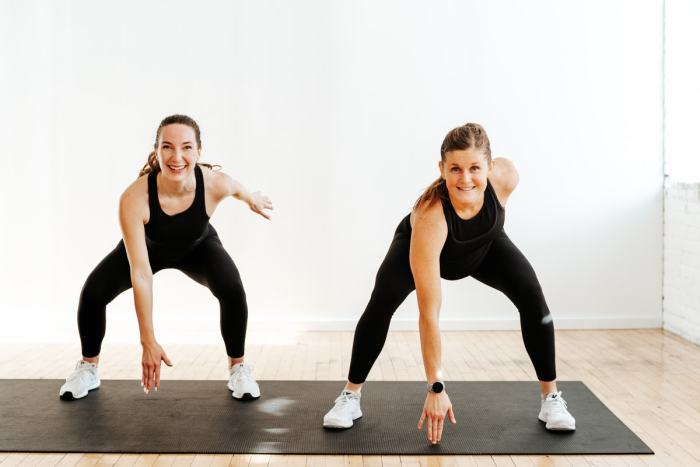
Low-Impact Home Workouts offer a fantastic way to improve fitness without the strain of high-impact exercises. This guide explores various low-impact workout styles, demonstrating how to create a personalized routine that suits your fitness level and goals. We’ll delve into the benefits, proper form, and how to integrate these workouts into a balanced lifestyle, ensuring a safe and effective fitness journey.
From gentle yoga flows to strengthening Pilates routines, we’ll cover a range of options suitable for beginners and experienced individuals alike. Learn how to design a weekly plan, avoid common mistakes, and adapt exercises to your specific needs, whether you’re aiming for weight loss, improved flexibility, or increased strength and endurance. We’ll also discuss how to seamlessly incorporate low-impact workouts into a busy schedule, maximizing your fitness gains without compromising your daily routine.
Integrating Low-Impact Workouts with Other Fitness Activities

Low-impact exercise, while gentler on the joints, shouldn’t be viewed as a standalone fitness solution. Integrating it effectively with higher-impact activities is key to achieving a well-rounded and sustainable fitness plan. This approach allows you to reap the benefits of both types of exercise, maximizing your overall health and fitness gains while minimizing injury risk. Understanding the differences and synergies between these approaches is crucial for creating a balanced and effective routine.Low-impact exercises, such as swimming, cycling, or walking, place less stress on your joints compared to high-impact activities like running, jumping jacks, or plyometrics.
High-impact workouts, while offering significant cardiovascular benefits and muscle strengthening, can increase the risk of injuries, especially for individuals with pre-existing joint issues or those new to exercise. A balanced approach minimizes this risk while still maximizing fitness improvements.
Comparing Low-Impact and High-Impact Workouts
Low-impact workouts are ideal for building endurance, improving cardiovascular health, and increasing muscle strength and flexibility without the jarring impact on joints. They are often preferred by individuals recovering from injuries, those with joint pain, or those simply seeking a gentler approach to exercise. High-impact workouts, on the other hand, are more effective for boosting bone density, improving explosive power, and burning a greater number of calories in a shorter amount of time.
However, the increased stress on joints necessitates proper warm-up, cool-down, and appropriate progression to avoid injury. For example, a brisk walk is low-impact, while running a marathon is high-impact. A yoga class is low-impact, whereas a CrossFit session is typically high-impact.
Strategies for Combining Low-Impact and High-Impact Exercises
A successful fitness plan often involves a strategic combination of both low and high-impact exercises. One effective strategy is to alternate high-impact days with low-impact recovery days. For instance, a runner might incorporate a rest day with yoga or a cycling session after a strenuous run. Another approach is to integrate low-impact activities into your warm-up and cool-down routines for high-impact workouts.
Dynamic stretching before a run, followed by static stretches afterward, can significantly reduce the risk of injury and improve recovery. Furthermore, incorporating low-impact exercises like swimming or cycling can provide cross-training benefits, preventing overuse injuries and promoting overall fitness. For example, a person who regularly lifts weights might add swimming twice a week to improve cardiovascular health and reduce strain on their joints.
Incorporating Low-Impact Exercises into a Busy Schedule
Fitting exercise into a busy schedule requires planning and prioritizing. Short, high-intensity interval training (HIIT) workouts can be interspersed with low-impact activities. For instance, a 15-minute HIIT session can be followed by a 30-minute walk. Low-impact exercises are easily adaptable to various settings and time constraints. A brisk walk during your lunch break, a yoga session before bed, or a cycling commute can all contribute to a healthy lifestyle without requiring significant time commitments.
Even incorporating short bursts of activity throughout the day, like taking the stairs instead of the elevator or walking around during phone calls, can accumulate into meaningful exercise. Using a fitness tracker can help monitor daily activity levels and identify opportunities for incorporating more movement.
Resources and Further Exploration
This section provides a curated list of resources to enhance your low-impact home workout routine and explore various fitness avenues. Supplementing your home workouts with diverse activities promotes holistic well-being and prevents plateaus. Remember to consult with your physician before starting any new fitness program.
General Fitness Guides
General fitness guides offer a broad overview of exercise principles, nutrition, and overall health. They provide a foundation upon which to build a personalized fitness plan that incorporates low-impact exercises. These guides often cover various training styles, helping you understand how low-impact workouts fit within a larger fitness strategy.
- Website: The American College of Sports Medicine (ACSM) website offers evidence-based guidelines and resources on exercise and fitness.
- Book: “The Complete Book of Fitness” by Robert Haas provides comprehensive information on various fitness approaches.
- App: Many fitness apps offer general fitness plans and educational content, though you’ll need to select those that align with your needs and low-impact preferences.
Home Workouts
Dedicated home workout resources provide structured routines and guidance for effective at-home training. These resources are particularly useful for supplementing or expanding upon your low-impact home workout regimen, offering variety and progressive overload.
- App: Peloton (select low-impact classes), Fitness Blender (offers a wide range of intensity levels).
- Website: Many fitness websites offer free and paid home workout plans. Look for those specifically mentioning low-impact modifications.
- YouTube Channels: Numerous YouTube channels provide free home workout videos, many of which offer low-impact alternatives.
Yoga and Meditation
Yoga and meditation are excellent complements to low-impact workouts. Yoga improves flexibility, balance, and mindfulness, while meditation reduces stress and promotes mental well-being. Both practices enhance recovery and can be integrated into your daily routine alongside low-impact exercises.
- App: Headspace (meditation), Glo (yoga), Yoga Studio (yoga).
- Website: Many websites offer free yoga and meditation videos and guided sessions.
- Book: “Yoga Anatomy” by Leslie Kaminoff provides a detailed understanding of yoga poses and their effects on the body.
Strength Training
Strength training builds muscle mass, improves bone density, and boosts metabolism. While traditional strength training can be high-impact, modifications like using resistance bands or bodyweight exercises can be easily integrated into a low-impact routine. This enhances overall fitness and helps maintain muscle mass as you age.
- Book: “Starting Strength” by Mark Rippetoe (focus on modifications for low-impact).
- App: Many fitness apps include bodyweight strength training routines and modifications for different fitness levels.
- Website: Numerous websites provide guides on bodyweight exercises and resistance band training.
Cardio Workouts
Cardiovascular exercise improves heart health, endurance, and calorie burning. Low-impact cardio options such as walking, cycling, and swimming are excellent alternatives to high-impact activities. These activities can be incorporated alongside your low-impact home workouts to enhance your overall fitness.
- App: Strava (tracks activity), MapMyRun (tracks running and walking).
- Website: Many websites offer guidance on low-impact cardio workouts and training plans.
Weight Loss Programs
Weight loss programs often combine diet and exercise. Low-impact home workouts are a valuable component of a sustainable weight loss strategy. They can be combined with dietary changes and other fitness activities for optimal results. Remember that weight loss is a multifaceted process requiring a holistic approach.
- Website: The National Institutes of Health (NIH) website offers information on healthy weight management.
- App: MyFitnessPal (calorie tracking), Lose It! (calorie tracking).
Pilates and Stretching
Pilates focuses on core strength, flexibility, and body awareness. Stretching improves flexibility, reduces muscle soreness, and prevents injuries. Both Pilates and stretching are ideal complements to low-impact home workouts, enhancing mobility and preventing muscle imbalances.
- App: Pilates Anytime, The Balanced Life.
- Website: Many websites offer Pilates and stretching routines.
Outdoor Fitness Adventures
Outdoor activities such as hiking, walking, and kayaking provide a change of scenery and fresh air. These low-impact activities can supplement your home workouts, offering a different type of physical challenge and promoting mental well-being.
- App: AllTrails (hiking trails), Komoot (cycling and hiking routes).
Fitness Gadgets and Gear, Low-Impact Home Workouts
Fitness gadgets and gear can enhance your workouts and provide valuable data. Items like fitness trackers, heart rate monitors, and resistance bands can be incorporated into your low-impact home workouts to monitor progress and improve performance.
- Brands: Fitbit, Garmin, Apple Watch (for tracking), various brands for resistance bands.
Fitness Challenges and Plans
Participating in fitness challenges and following structured plans can add motivation and structure to your routine. Many challenges incorporate low-impact exercises and can provide a sense of accomplishment and community.
- Websites and Apps: Many fitness apps and websites offer fitness challenges and structured plans.
Ultimately, embracing low-impact home workouts provides a sustainable and accessible path to a healthier lifestyle. By understanding the principles of proper form, incorporating a balanced routine, and listening to your body, you can achieve your fitness goals while minimizing the risk of injury. Remember, consistency is key, and even small steps towards a healthier you can lead to significant long-term benefits.
Start your journey today and discover the transformative power of low-impact fitness.
Answers to Common Questions: Low-Impact Home Workouts
Can I lose weight with low-impact workouts?
Yes, low-impact workouts can contribute to weight loss through calorie burning and improved metabolism. Combine them with a healthy diet for optimal results.
Are low-impact workouts effective for building muscle?
While not as effective as high-impact for building significant muscle mass, low-impact exercises can improve muscle tone and strength, particularly with resistance training modifications.
How often should I do low-impact workouts?
Aim for at least 3-5 sessions per week, allowing for rest days to prevent overtraining and injury. Listen to your body and adjust as needed.
What if I have joint pain? Are low-impact workouts suitable?
Low-impact workouts are often recommended for individuals with joint pain as they reduce stress on the joints. However, it’s crucial to consult a doctor or physical therapist before starting any new workout routine.


